
"coffee texture standards"
2000 article(s) found

Peruvian fine coffee beans with balanced taste Geographical location Climate Altitude profile
Peru's coffee cultivation is planned, which greatly increases coffee production. Its rich acidity and mellow smoothness are its most distinctive features. Peruvian coffee has a mild acidity, medium texture, taste and aroma quite good, is an indispensable ingredient in the production of mixed coffee. Excellent Peruvian coffee with a rich aroma, smooth, structured and rich taste
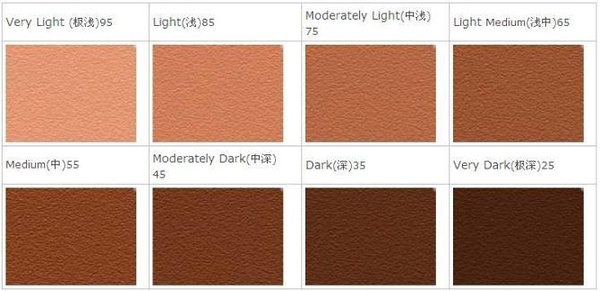
Coffee roasting degree resolution chart the technology of roasting degree of raw coffee beans and the introduction of baking color
American Coffee Association (SCAA) roasting standard this standard uses infrared caramelization tester technology (Agtron) to measure the color of coffee beans to determine the roasting degree of coffee, and the color is divided into eight equal parts into eight standard color blocks for coffee industry as roasting identification. The above colors are for reference only according to the roasting degree preferred by each country. This is also coffee roasting.

The most representative producing area of Sulawesi is Traga.
Sulawesi (Sulawesi) aroma 3.5 minutes brightness 4 mellow 4 flavor 4 aftertaste 4 points suitable for baking degree: City/Full city full city is the best to start the pot just before the second explosion. Because the color of Sulawesi is not dark when baking, it is easy to overdo it if you use color as the standard of baking. Sulawesi is also known as Cyberis, which is actually

Coffee producing areas Coffee producing areas in the world
1 South America [Colombia] is the world's second largest coffee producer, accounting for about 12% of the world's annual production, although far less than the first Brazil's 30% to 35%, but most of them are high-quality alpine washed beans. Central Colombia is divided into several valleys by three north-south vertical mountains, of which the central and eastern mountains are the main coffee producing areas. Coffee here.

The main producing areas of coffee in the world
1 South America [Colombia (Colombia)] is the second largest coffee producer in the world, accounting for about 12% of the world's annual output, which is much lower than that of Brazil, but most of them are high-quality mountain-washed beans. Central Colombia is divided into valleys by three north-south longitudinal mountains, of which the central and eastern mountains are the main coffee producing areas. Coffee here

Flavor description of Colombian Coffee production area introduction of Variety production area by texture Grinding Calibration method
Colombian coffee producing area flavor description taste grinding scale treatment variety production area introduced its unique geographical environment has created the high quality of coffee, Colombia, beautiful mountains and rivers, beautiful scenery, pleasant climate, spring all year round, fresh air, refreshing. Colombia's climate is mild, the air is * *, and the diversity of climate makes it a harvest season all year round, with different species at different times.

History of Jadeite Manor Flavor description of Coffee beans A brief introduction to the texture Grinding scale
A brief introduction to the Flavor description of the Historical Coffee beans and the Grinding scale of the Jadeite Manor is located in the Bokui Mountains of Panama. The mountain area of Bokui is 1200 meters above sea level, where the famous Balu volcano is located. Mild climate, fertile young volcanic soil, appropriate rainfall and changeable microclimate make the Bokui Mountains have the reputation of coffee paradise manor coffee called Estate-Grown
History of Coffee Culture in Arab East Africa
[Yemen] the word Mocha has many meanings. After 600 AD, the first coffee bean far from its hometown, Ethiopia, took root in the leaf gate on the other side of the Red Sea, and the coffee industry began all over the world. Since the most important export port of early Yemen coffee was the port of Mocha (now silted up), the coffee produced in Yemen was also called "mocha" beans.

Coffee in the world's major coffee producing areas common knowledge
1 South America [Colombia] is the world's second largest coffee producer, accounting for about 12% of the world's annual production, although far less than the first Brazil's 30% to 35%, but most of them are high-quality alpine washed beans. Central Colombia is divided into several valleys by three north-south vertical mountains, of which the central and eastern mountains are the main coffee producing areas. Coffee here.

Description of Peruvian coffee bean flavor with medium texture; introduction to the taste of varieties in producing areas
Peru is also a big coffee producer. Up to 98% of Peruvian coffee is grown in forest areas, and most producers are small farmers. Coffee is high-quality and balanced and can be used for mixed drinks. Peru has good economic conditions and a stable political situation, thus ensuring the good quality of coffee. In the mid-1970s, Peru produced about 900000 bags of coffee a year, and then continued.

Introduction to the flavor and taste characteristics of Colombian coffee manor, the second largest coffee producing area in the world.
The northern Sierra Nevada producing area is one of the high quality producing areas in Colombia, and the Santa Marta Snow Mountains is one of the few snowy mountains on the equator, and its caffeine is famous for its distinctive characteristics and high quality standards. The unique climate, abundant precipitation, cloud cover and shade planting make the coffee here full-bodied and nutty.
Analysis of producing countries of High-quality Coffee beans in Coffee Bean producing countries
1 South America [Colombia (Colombia)] is the second largest coffee producer in the world, accounting for about 12% of the world's annual output, which is much lower than that of Brazil, but most of them are high-quality mountain-washed beans. Central Colombia is divided into valleys by three north-south longitudinal mountains, of which the central and eastern mountains are the main coffee producing areas. Coffee here

Common sense of Yemeni coffee beans in Arab East Africa
[Yemen] the word Mocha has many meanings. After 600 AD, the first coffee bean far from its hometown, Ethiopia, took root in the leaf gate on the other side of the Red Sea, and the coffee industry began all over the world. Since the most important export port of early Yemen coffee was the port of Mocha (now silted up), the coffee produced in Yemen was also called "mocha" beans.

The basic knowledge of coffee in the main producing areas of coffee all over the world
1 South America [Colombia (Colombia)] is the second largest coffee producer in the world, accounting for about 12% of the world's annual output, which is much lower than that of Brazil, but most of them are high-quality mountain-washed beans. Central Colombia is divided into valleys by three north-south longitudinal mountains, of which the central and eastern mountains are the main coffee producing areas. Coffee here

Coffee History of Arab East Africa Coffee Culture Common Sense
The word mocha has many meanings. Around 600 AD, the first coffee beans far away from home-Ethiopia-took root in Yemen on the other side of the Red Sea, and since then the coffee industry has been carried out all over the world. Since the most important export port of early Yemen coffee was Mocha Port (now silted), the coffee produced in Yemen was also called "Mocha" beans; over time, some people

Basic knowledge of Fine Coffee Coffee History of Arab East Africa
The word Mocha has many meanings. After 600 AD, the first coffee bean far from its hometown, Ethiopia, took root in the leaf gate on the other side of the Red Sea, and the coffee industry began all over the world. Since the most important export port of early Yemen coffee was the port of Mocha (now silted up), the coffee produced in Yemen was also called "mocha" beans. Over time, some people

An introduction to the varieties of coffee beans in Arab East Africa
[Yemen] the word Mocha has many meanings. After 600 AD, the first coffee bean far from its hometown, Ethiopia, took root in the leaf gate on the other side of the Red Sea, and the coffee industry began all over the world. Since the most important export port of early Yemen coffee was the port of Mocha (now silted up), the coffee produced in Yemen was also called "mocha" beans.

Acidity and texture introduction to the characteristics of Coffee Flavor Manor in Xidamo Shaqiso producing area
In Ethiopia, the grading and quality control system of coffee is divided into three levels: producer, regional and national. All coffee is inspected by local inspection agencies before leaving the country of origin, and then re-tested at the coffee inspection and grading centers in Addis and Diredawa to determine its quality grade. Coffee is graded before auction and sale, for all involved in production, acquisition,

Baking degree resolution diagram
American Coffee Association (SCAA) roasting standard this standard uses infrared caramelization tester technology (Agtron) to measure the color of coffee beans to determine the roasting degree of coffee, and the color is divided into eight equal parts into eight standard color blocks for coffee industry as roasting identification.

Coffee bean producing countries of Jamaica origin
When it comes to Jamaica, we immediately think of "Blue Mountain" coffee. Rare and expensive true blue mountain beans, originally from the Wallensford Coffee Garden, have now been expanded to the Blue Mountains with an altitude of more than 1000 meters. As long as the tree species and treatment procedures of the manor meet certain standards, the government will issue a guarantee to allow the use of the name "Blue Mountain".